
Introduction
When you hear the term “sustainable foam”, it might sound like a bit of a contradiction.
After all, foam packaging is often associated with plastics, waste, and landfill, but the reality is far more nuanced.
If your business relies on protective packaging, especially for high-value or fragile products, foam may actually play an important role in reducing your overall environmental impact.
So, the question is, is foam packaging really sustainable? And the honest answer is that it depends; it can be, but only if used thoughtfully.
Contents
Why does foam packaging have a bad reputation?
A lot of the concern that surrounds foam packaging comes from older materials like polystyrene (EPS), which is widely criticised and even banned in some regions.
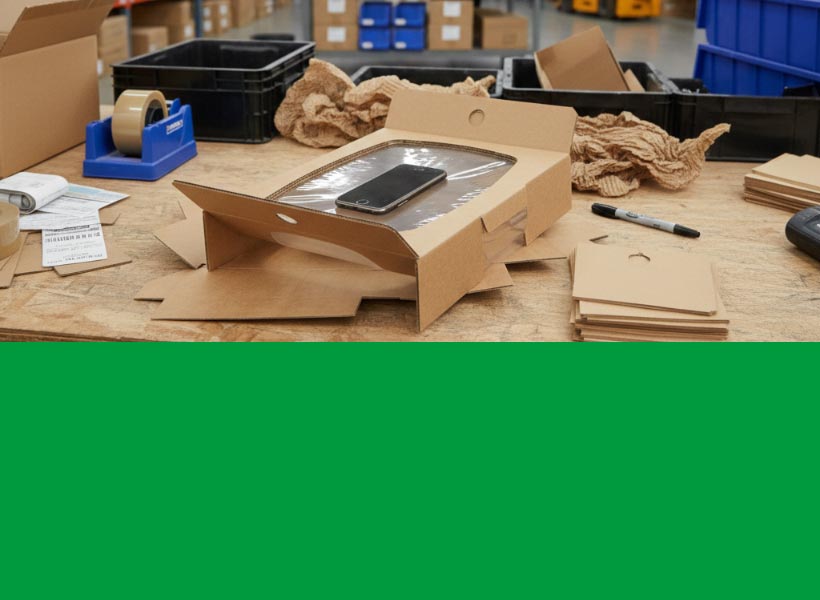
These bans helped to raise awareness around packaging waste and pushed businesses to explore foam alternatives like paper void fill or corrugated inserts.
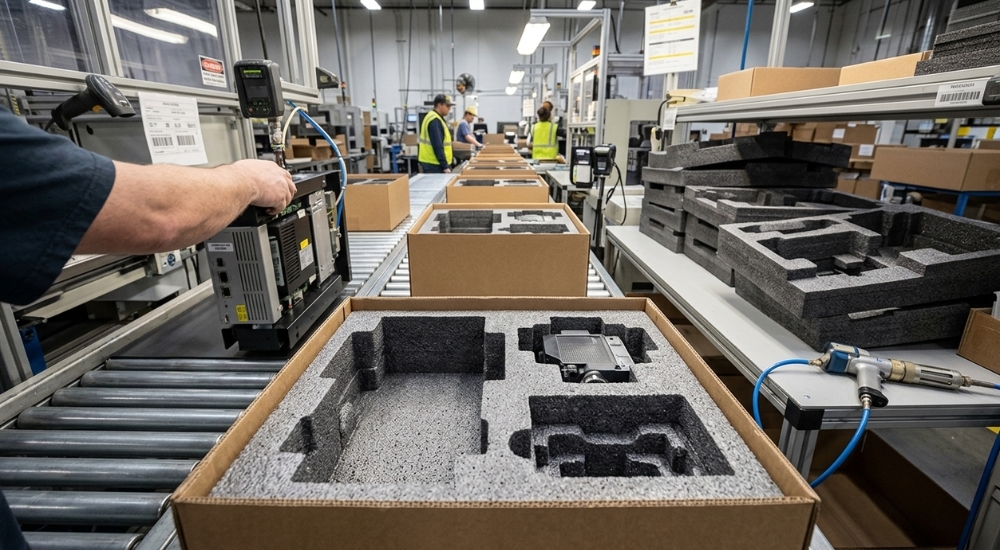
Modern foam materials, though, are very different. Products like Stratocell, ARPLANK, Ethafoam, Evazote, and Plastazote, all supplied by Polyformes, are typically made from polyethyelene foam. These are engineered, closed-cell foams that are designed specifically for protective packaging.
That distinction matters because these materials behave differently, last longer, and could even be recycled through specialist facilities or reused throughout the business in the long term.
Making the case for sustainable foam
One of the biggest benefits of foam packaging is its ability to prevent damage to your products during storage, handling, and transportation. If a product arrives damaged, it might need to be replaced, repaired, or scrapped, which creates additional manufacturing, transport emissions, and waste, often far outweighing any impact of the packaging itself.
This is where foam excels, as unlike some materials that will only absorb a single impact, polyethylene foams can withstand repeated shocks, making them highly effective for transit protection.
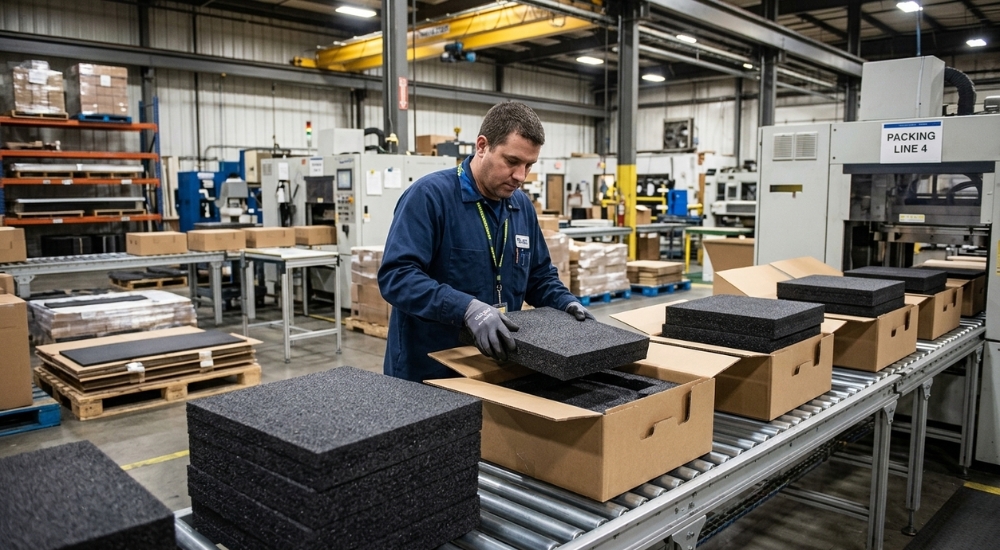
As foam packaging provides high levels of cushioning with relatively little material, it allows for more compact packaging designs, and smaller packs mean fewer lorries on the road, better use of space, and lower emissions per shipment.
In a lot of packaging applications, particularly in returnable transit packaging or protective cases, foam inserts can be used over hundreds of cycles, significantly extending the lifespan of the material and reducing the need for single-use packaging.
Recycling and recycled content
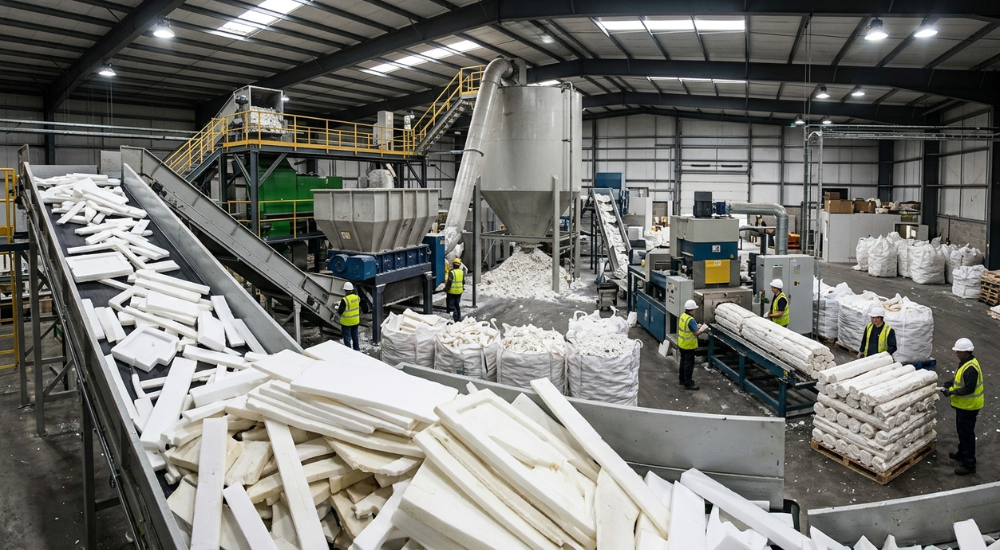
Foam packaging is not typically collected via kerbside recycling schemes, making it a pretty inconvenient material for consumers to dispose of. Instead, these materials often require specialist recycling facilities or manufacturers’ take-back schemes.
Most foam materials are technically recyclable through specialist facilities where they can be reprocessed into new materials, reducing the need for virgin plastics, and many manufacturers have also introduced grades with high recycled content.
This helps businesses meet environmental targets and comply with regulations such as the Plastic Packaging Tax.
The gap between recyclability and actual recycling is one of the biggest sustainability challenges that foam packaging faces.
The challenges that you should consider
Despite the advantages of foam packaging, it is unfortunately not without its environmental setbacks.
Foam packaging is still a plastic-based material that typically derives from fossil fuels. While recycled content is improving, the reliance on petrochemicals remains a concern for many businesses aiming to reduce their carbon footprint.
Foam is also non-biodegradable, and if it ends up in landfills, it can persist for hundreds of years, which, combined with limited consumer recycling options, contributes to its negative perceptions.
And of course, alternative options are now available, like paper-based void fill, corrugated fittings, and hybrid designs, which work well for less fragile products and are often easier to recycle through existing waste streams.
Is foam packaging really sustainable?
Sustainability isn’t just about whether a material can be recycled or contains eco-friendly materials; it’s about the entire lifecycle to justify its true sustainability.
For high-value, fragile, or sensitive products, foam packaging can often be the most sustainable choice, simply because it prevents damage, reduces returns, and minimises waste.
Its ability to be reduced and combined with increasing levels of recycled content further strengthens its environmental credentials.
However, for simpler applications that require less protection, alternative materials such as corrugated inserts or paper void fill might be a more appropriate option.
Summary
So if your business is considering sustainable foam options, the key is not to think in absolutes. Foam packaging is neither inherently “good” nor “bad” for the environment; it depends entirely on how it is designed, used, and disposed of.
Working with a specialist, you can explore tailored solutions using different foam options. By optimising your packaging design, reducing material use, and selecting recycled or reusable options wherever possible, you can strike the right balance between protection and sustainability.
In the end, the most sustainable packaging is the one that does its job effectively while minimising waste across the entire supply chain. In many cases, foam plays an essential role in achieving exactly that.
Get in touch with our team of foam experts today and see how we can help to improve your sustainability.