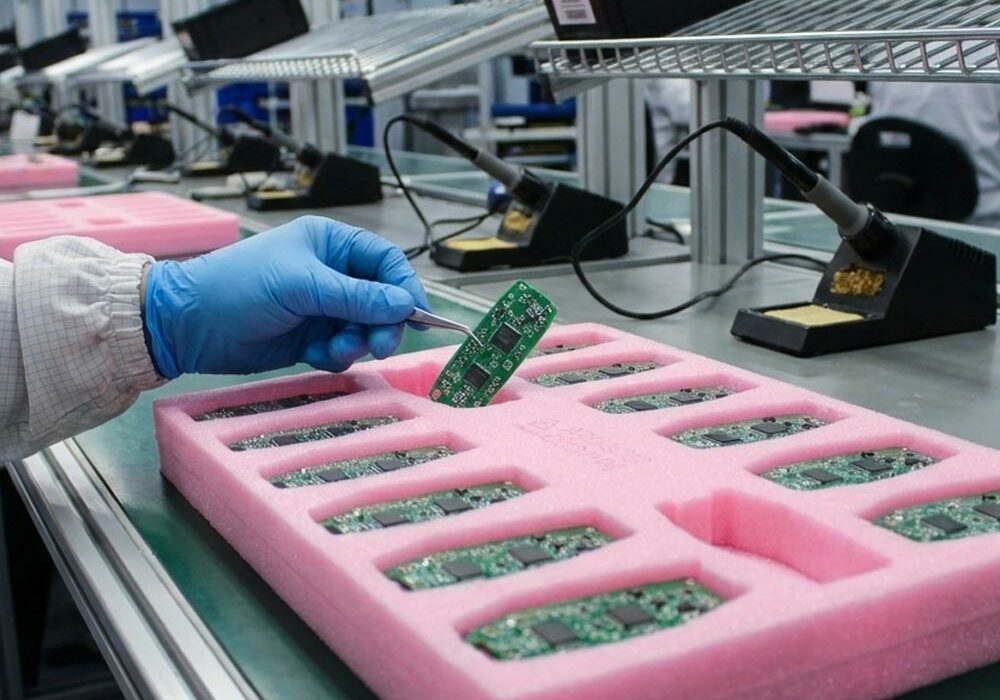
If you manufacture or ship items that are susceptible to ESD (electrostatic discharge) damage, anti-static foams are essential.
Anti-static foam is a term that is often interchanged with other types of ESD foam, which also include static dissipative and conductive. Conductive foams allow electrical charges to pass through them rapidly and safely to a grounded surface. Static-dissipative foam slows the flow of electricity, neutralising charges more gently and preventing sudden shocks. Finally, anti-static foam uses chemical anti-static agents (surfactants) that continuously migrate to the surface, forming a low-friction barrier. All three options offer different levels of static protection, along with physical cushioning.
At Polyformes, our team of experts have a detailed understanding of how these foams work, allowing us to supply a huge range of anti-static and ESD-safe foam options.
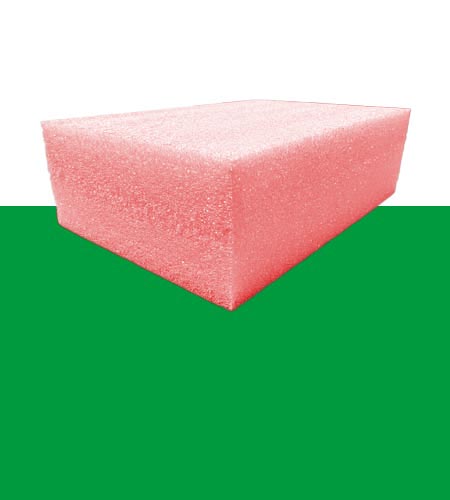
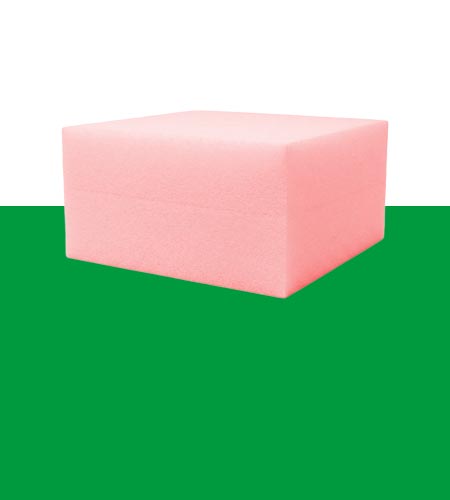
The following material ranges provide conductive or anti-static grade options.



Anti-static and other ESD foams offer several benefits, including:
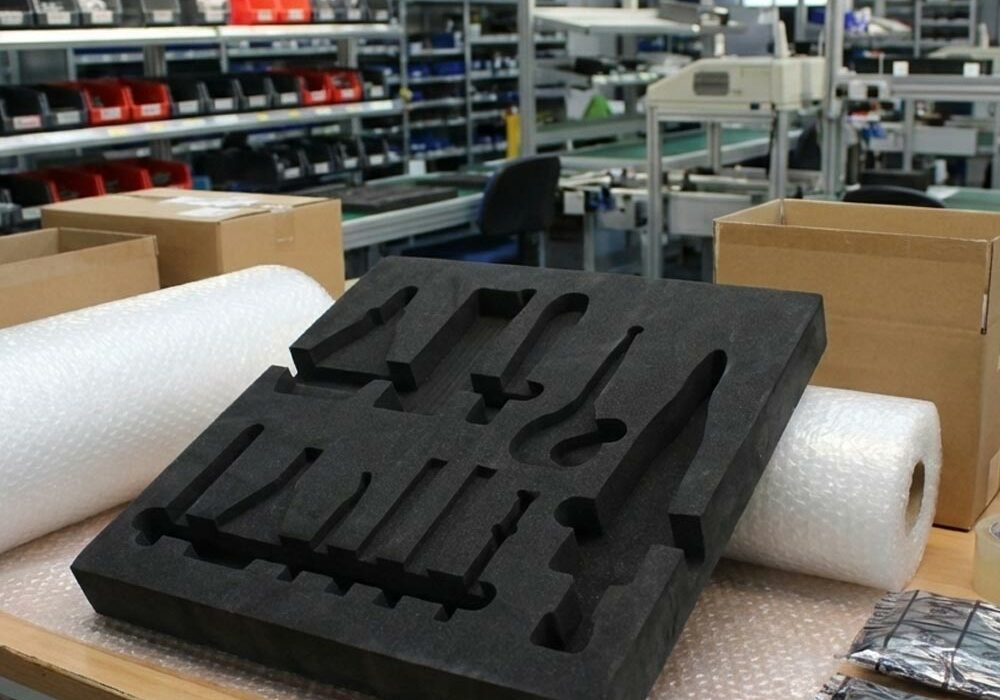
The main difference is how they handle static electricity. Anti-static foam (usually pink) does not conduct electrical charges. Instead, it is chemically treated so that it will not generate static electricity when rubbed against other materials. Conductive foam (usually black) contains a physical network of carbon fillers that actively allows electrical current to flow freely, safely diverting existing static charges away from electronic devices.
Anti-static and conductive foams can be different colours for various reasons. Conductive foams are typically black, due to the carbon additive that provides their ESD (electrostatic discharge) protection. Many pink anti-static foams are dyed pink in order for end users to be able to quickly distinguish it from non-anti-static material.
Conductive foam can block radio frequencies and electromagnetic interference (EMI). When electromagnetic waves reach the foam, the porous, cellular architecture of the foam causesthe signals to scatter and bounce within the cell walls. The material effectively absorbs the radiation and converts the electromagnetic energy into harmless heat.
Due to the way it is manufactured (and works), conductive foam has a long shelf life. However, pink anti-static foam has a limited shelf life and will eventually expire. This is because it relies on chemical anti-static agents (surfactants) that continuously migrate to the surface to absorb microscopic air moisture, creating a low-friction barrier. Over time, typically within 1 to 2 years, depending on humidity, these chemicals fully evaporate or degrade, causing the foam to lose its anti-static properties and revert to a standard, static-retaining insulator.

Polyformes has extensive knowledge of the nuances of ESD foams, allowing you to source materials and converted products alike.
Material options
Trade service
Industry knowledge
In-house processing
Short lead times
UK experts
Disclaimer: Generative Ai may be used on this site when specifically creating content and information relating to the products, processes and materials we use at Polyformes. Any Ai content undergoes stringent reviews and editing by humans to check accuracy. Please view this content policy for further details.
Send us a message
If you need high-performance foam inserts, packaging, products or materials, we can help. Please contact a member of our team for a free consultation and quote.
This form will collect your personal information to answer your enquiry. For information on the data we collect and how we use your information, please see our privacy policy.
Our experts
The information on this page was written and checked by our team of experts. You can contact them to discuss your requirements, or for any questions you may have, using the details here.
Sales Enquiries
[email protected]
01525 852 444 (option 1)
Accounts Enquiries
[email protected]
01525 852 444 (option 2)
